
Boost Your Gut Health: Delicious Turmeric Digestion Tea Recipe
Boost your gut health with delightful turmeric digestion tea. The soothing recipe combines immune-boosting ingredients for tasty wellness. Discover why turmeric tea is good for your gut, your overall health and inflammation.
Understanding Gut Health and Its Importance
Gut health has become a buzzword in the wellness community, but what does that actually mean?
The importance of gut health cannot be overstated. An imbalance in gut microbiome - called dysbiosis - can lead to a variety of health issues, ranging from digestive problems like bloating and constipation to more severe conditions such as irritable bowel syndrome (IBS) and inflammatory bowel disease (IBD) [1]. Moreover, research has shown that an unhealthy gut can contribute to mood disorders, including anxiety and depression, and may even affect the immune system, making the body more susceptible to infections and diseases [2].
Maintaining gut health involves multiple factors, such as diet, lifestyle, and stress management. Probiotics and prebiotics, found in various foods and supplements, can help nourish and balance the gut microbiome [3]. Regular exercise, adequate sleep, and stress-reduction techniques such as meditation and yoga also play crucial roles. However, one of the most effective and enjoyable ways to boost gut health is by consuming specific foods and beverages, such as turmeric digestion tea, which we will explore in depth in this article.
The Role of Turmeric in Digestion
Turmeric, a golden-yellow spice derived from the root of the Curcuma longa plant, has been used for centuries in traditional medicine systems like Ayurveda and Traditional Chinese Medicine. Its vibrant color and pungent flavor are indicative of its powerful medicinal properties, which are largely attributed to the active compound curcumin. Curcumin has been extensively studied for its anti-inflammatory, antioxidant, and antimicrobial effects, making it a valuable ally in promoting digestive health.
One of the primary ways turmeric aids digestion is through anti-inflammatory properties. Chronic inflammation in the gastrointestinal tract can lead to various digestive disorders, including IBS and Crohn's disease. Curcumin helps to reduce inflammation by inhibiting the activity of inflammatory enzymes and cytokines. This can alleviate symptoms such as abdominal pain, bloating, and irregular bowel movements, providing significant relief for individuals suffering from chronic digestive issues [5].
Turmeric also stimulates bile production in the liver, which is essential for the digestion and absorption of fats. Enhanced bile production aids the breakdown of dietary fats into smaller molecules that can be more easily absorbed by the intestines. Additionally, turmeric has been shown to promote the growth of beneficial gut bacteria while inhibiting the growth of harmful bacteria. This microbial balance is vital for maintaining a healthy gut, as it supports efficient digestion and a robust immune system [4].
Key Ingredients for the Turmeric Digestion Tea
Creating an effective turmeric tea that tastes good involves more than just turmeric. Ginger goes well with turmeric. Ginger has been used for centuries as a digestive aid due to its ability to stimulate digestive enzymes and increase gastrointestinal motility. Its anti-inflammatory and antioxidant properties complement those of turmeric, providing a powerful one-two punch for digestive health. The spiciness of ginger adds a pleasant zing to the tea, making it more enjoyable to drink [6].
Another essential ingredient is black pepper. While it might seem like an unusual addition, black pepper plays a crucial role in enhancing curcumin's bioavailability. Curcumin is difficult for the body to absorb on its own, but piperine, the active compound in black pepper, can increase absorption by up to 2000%. Adding black pepper to turmeric tea can significantly boost its effectiveness [7].
Turmeric tea vs other forms
Turmeric is consumed in many forms, including capsules, wellness shots, and tea. Each offers a different experience and level of potency. Turmeric tea is a traditional and gentle option - made by simmering turmeric in hot water or milk, with other ingredients like ginger, black pepper, or honey. A more convenient approach is to buy a ready-made tea bag and just add hot water. Capsules, on the other hand, are very concentrated but sometimes hard to swallow for many people. Shots are quick, and blend turmeric juice with citrus ginger or sometimes black pepper; however, the taste is not always optimal for many people. Overall, turmeric tea is best for daily wellness.
Potential Side Effects and Considerations
It is also important to be aware of potential side effects and considerations. Turmeric is generally safe for most people when consumed in moderate amounts, but there are some precautions to keep in mind.
First, high doses of turmeric can cause gastrointestinal issues, such as nausea, diarrhea, or stomach cramps. Start with a small amount, then gradually increase the dosage and see how your body reacts. It is a good idea to consult with a health professional before adding large amounts of turmeric to your diet [8].
Second, turmeric has blood-thinning properties, which can be beneficial for cardiovascular health but may pose risks for individuals taking blood-thinning medications or for those with bleeding disorders. If you are on blood-thinning medication, speak to your doctor before incorporating turmeric tea into your routine [9].
Third, turmeric can interact with certain medications, including anti-inflammatory drugs, diabetes medications, and chemotherapy treatments. Their interactions can either enhance or inhibit the medication. Therefore, it is crucial to speak to your healthcare provider.
Other Gut-friendly Herbal Teas To Try
Peppermint tea is a popular choice for digestive health and for relaxing the muscles of the gastrointestinal tract. This can help with symptoms of indigestion, bloating, and gas. Peppermint also has a refreshing flavor, making it a pleasant option for any time of the day. However, it is worth noting that peppermint may not be suitable for individuals with acid reflux or GERD, as it can worsen these symptoms for some.
Chamomile tea is another excellent option for promoting gut health. Known for its calming and anti-inflammatory properties, chamomile tea can help soothe the digestive tract and reduce symptoms of indigestion and gastritis. It is also a natural relaxant, making it an ideal choice for evening consumption to promote relaxation and improve sleep quality. Chamomile tea has a mild, floral flavor that pairs well with honey and lemon.
Suggestions for ready-made blends with turmeric
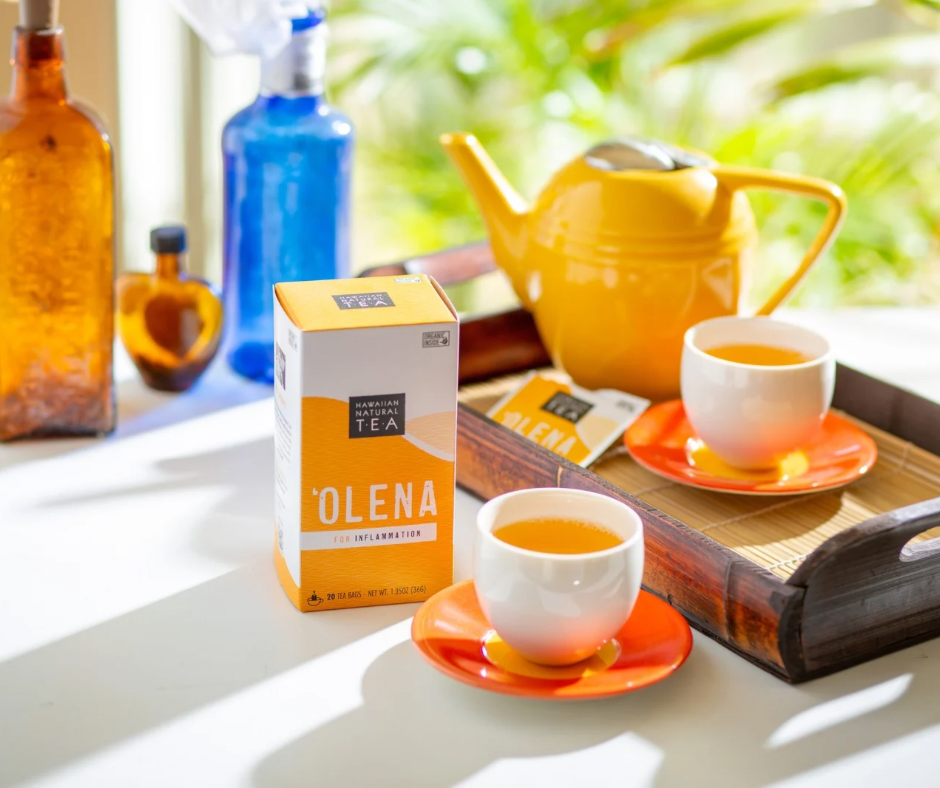
For those looking for a thoroughly crafted turmeric blend, Tea Chest Hawaii offers its signature ‘Olena Tea, a turmeric-based infusion inspired by traditional Hawaiian healing practices and wellness-focused ingredients. ’Olena is the Hawaiian word for turmeric. This blend brings together the earthy warmth of turmeric with a smooth, balanced flavor profile, making it easy to enjoy as part of a daily gut-health routine.
You can explore ‘OLENA | Tea for Inflammation directly here: Olena Tea – Tea Chest Hawaii.
Embrace Gut Health with Turmeric Tea
Incorporating turmeric tea into a routine is a simple and enjoyable way to support gut health and overall well-being. The combination of turmeric, ginger, and black pepper creates a soothing beverage that offers numerous health benefits. From reducing inflammation and promoting a healthy gut microbiome to enhancing digestion and boosting the immune system, turmeric tea is a powerful ally in the quest for optimal health.
Try out turmeric tea OLENA here:
OLENA | Tea for Inflammation – Tea Chest Hawaii
Olena | Organic Turmeric and Ginger Tea – Tea Chest Hawaii
References
[1] Gut microbiome signatures reflect different subtypes of irritable bowel syndrome - PMC
[3] Gut microbiota’s effect on mental health: The gut-brain axis
[5] Anti-Inflammatory Effects of Curcumin in Inflammatory Diseases
[6] Effects of Ginger on Gastric Emptying and Motility in Healthy Humans
[7] The Essential Medicinal Chemistry of Curcumin
[9] Review of curcumin pharmacology (blood clotting effects)
Share:
Tea For Beauty | Skin Care Routine for Glowing Skin
Discover Sugar-Free Mango Peach Tea