
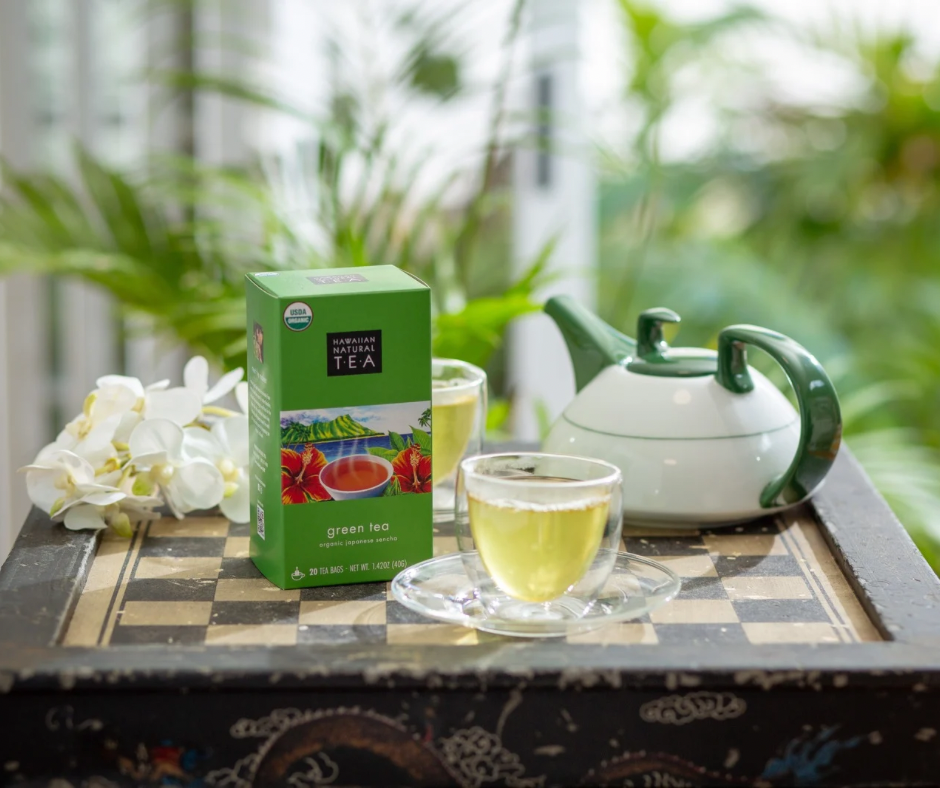
The Soothing Benefits of Green Tea
Green tea can be a natural remedy for stress and anxiety. Discover how its soothing properties can help with daily calm and tranquility.
The Science Behind Green Tea and Calmness
In a world that moves swiftly, finding pockets of peace has become meaningful. Green tea, with its heritage rooted in ancient traditions, offers more than just a comforting beverage. It naturally soothes the mind and body. Science reveals this is not a myth but a well-founded truth. Powerful compounds in green tea work to reduce stress and promote relaxation.
Studies show that green tea contains bioactive compounds that interact with the brain’s chemistry. These compounds, such as catechins and amino acids, have been linked to reducing anxiety and enhancing mental clarity. By moderating neurotransmitter activity and reducing inflammation, green tea helps to create a balanced state of mind. By moderating neurotransmitter activity and reducing inflammation, green tea helps to create a balanced state of mind. This equilibrium is crucial for maintaining calmness amidst daily stress [1].
The mechanisms by which green tea introduces tranquility are diverse. Not only does green tea contain substances that directly affect brain functions, but it also supports overall health. A healthier body naturally promotes a calmer mind. As we explore the specific components and their effects, the science behind green tea’s calming properties becomes increasingly clear. Understanding mechanisms allows us to appreciate the beverage’s role in fostering a serene lifestyle.
Key Compounds in Green Tea That Promote Relaxation
Green tea owes its calming effects to an array of compounds, each contributing uniquely to relaxation. Among these, L-theanine stands out for its ability to promote calmness without inducing drowsiness. Specifically, L-theanine increases alpha wave activity, which is associated with a state of relaxed alertness [2].
Another vital compound is epigallocatechin gallate (EGCG), a catechin with potent antioxidant properties. EGCG not only supports overall health but also enhances mental well-being. Research indicates that EGCG helps reduce the production of cortisol - the stress hormone - and mitigates its impact on the body. This reduction in cortisol levels contributes significantly to a sense of calm [3].
Best Practices for Drinking Green Tea
One of the most crucial factors when drinking green tea for health benefits is the tea's quality. Choose high quality, organic green tea from a reputable purveyor that can trace the tea’s origin.
Preparation plays a significant role in the calming effects of green tea. Water temperature and steeping time are critical - too hot, and you risk destroying the delicate compounds, too cool, and you may not extract the full range of benefits. Ideally, use water that is around 175°F (80 °C) and steep for 2-3 minutes. This ensures that L-theanine and catechins are extracted in balance and the tea doesn’t get too bitter. [5].
Consistently drinking green tea will maintain steady levels of L-theanine and antioxidants in your body. It is best to avoid drinking green tea late in the day, as even modest caffeine can interfere with sleep [4]. By following the best practices, you can maximize the calming benefits of green tea and integrate it more effectively into your daily routine.
Delicious Green Tea Recipes to Enhance Relaxation
Incorporating green tea into your daily routine does not have to be limited to traditional hot tea. There are numerous delicious recipes that can enhance relaxation while adding variety to consumption. One popular option is a green tea smoothie. Blend brewed green tea with a banana, spinach, a handful of berries, and a splash of almond milk for a refreshing and calming drink. The natural sweetness of fruits complements the earthly flavor of green tea, making it a delightful way to start your day.
Another recipe is a matcha green tea latte. Matcha, a powdered form of green tea, is exceptionally rich in L-theanine. To prepare, whisk a teaspoon of matcha powder with a small amount of hot water until it forms a smooth paste. Add steamed milk (dairy or plant-based) and sweeten with honey or maple syrup. This creamy beverage offers a comforting, indulgent experience.
For more adventure, try green-tea-infused desserts. Green tea ice cream combines the calming properties of green tea with the creamy texture of ice cream. Simply mix brewed tea or matcha powder with your favorite ice cream base and freeze. These recipes provide the calming benefits of green tea with a touch of culinary creativity and relaxation.
Discover full green tea recipes here.
Potential Side Effects and Considerations
While green tea offers numerous benefits for calmness and overall health, it is important to be aware of caffeine content. Green tea contains less caffeine than black tea, but caffeine is present nonetheless.
Another consideration is tannins, which can interfere with iron absorption. If you are iron deficient, it is best to avoid drinking green tea with meals. Instead, consume it between meals to minimize its impact on iron absorption. Excessive consumption of green tea can, in rare cases, lead to stomach upset or other gastrointestinal issues due to its tannin content [6].
For individuals with certain health conditions or those taking specific medications, it is essential to consult with a healthcare provider before incorporating green tea into their routine. Green tea can interact with medications such as blood thinners, certain antibiotics, and stimulants. By being mindful of those potential side effects and considerations, you can enjoy the calming benefits of green tea safely and effectively [7].
Embracing Calmness with Green Tea
Green tea, with its rich history and numerous benefits, stands out as a natural remedy for promoting calmness and relaxation. The unique combination of compounds such as L-theanine, catechins, and essential vitamins and minerals works synergistically to soothe the mind and body. By understanding the science behind these compounds and their contributions to mental well-being, we can better appreciate the benefits of green tea.
From choosing high-quality tea and following best practices to exploring creative recipes, there are many ways to incorporate green tea into your daily routine. Be mindful of potential side effects so you can enjoy the benefits safely and effectively. Whether you prefer a traditional cup of hot tea, a refreshing smoothie, or a comforting matcha latte, green tea offers a versatile and enjoyable way to enhance relaxation.
Embracing green tea as part of your daily life can lead to a more balanced and serene state of mind.
Discover Green Teas here:
Organic Matcha Green Tea Powder
References
[1] Green tea effects on cognition, mood and human brain function: A systematic review - PubMed
[2] A Randomized, Triple-Blind, Placebo-Controlled, Crossover Study to Investigate the Efficacy of a Single Dose of AlphaWave® L-Theanine on Stress in a Healthy Adult Population
[3] Epigallocatechin-Gallate (EGCG): An Essential Molecule for Human Health and Well-Being
[4] Caffeine Effects on Sleep Taken 0, 3, or 6 Hours before Going to Bed
[6] Green tea or rosemary extract added to foods reduces nonheme-iron absorption
Share:
Discover Sugar-Free Mango Peach Tea
Hawaii's Gift for Wellness, Culture & Community